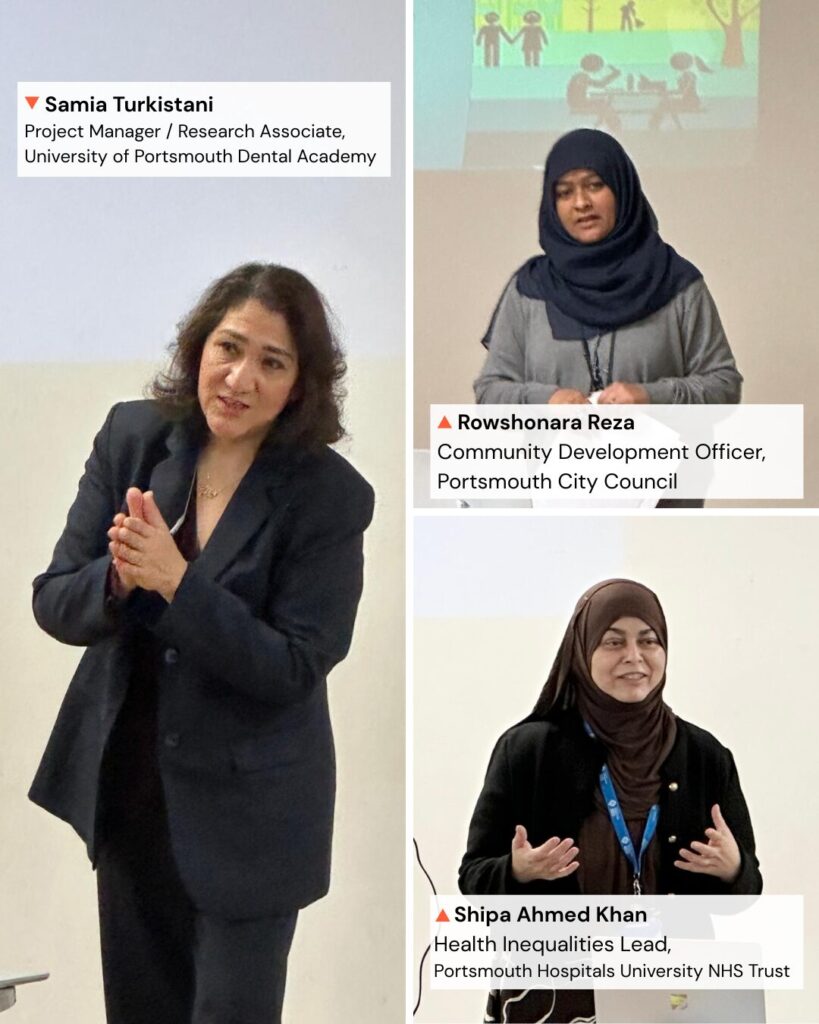
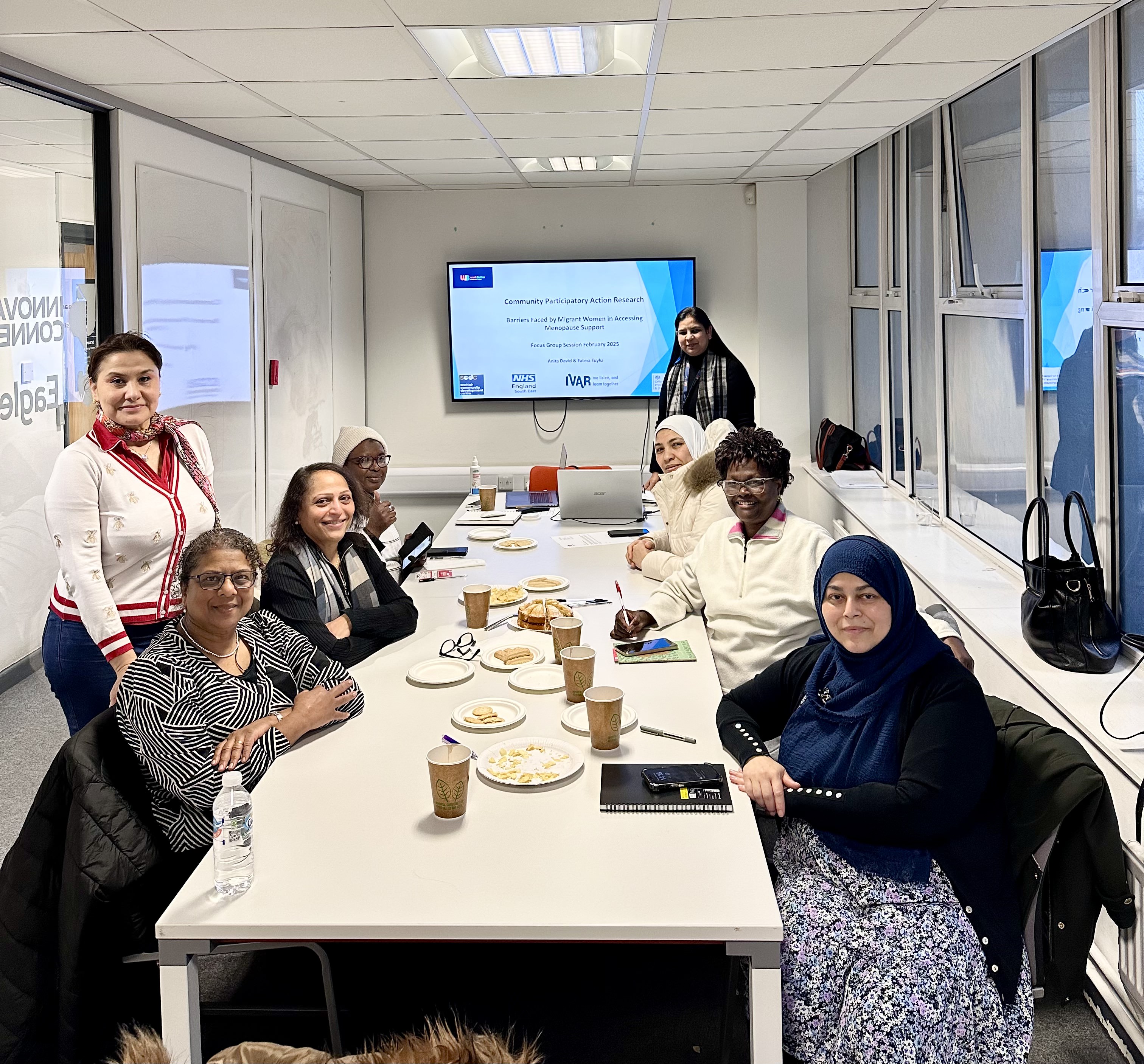
23 July 2025. We are honoured to present our community research findings on migrant women and menopause for health practitioners at a regional public health forum, which brought together senior leadership in public health for the region, along with key stakeholders from NHS Integrated Care Boards, to discuss collaborative strategies for improving women’s health.
WBI is a part of the national Community Participatory Action Research programme (CPAR), which trains and mentors voluntary sector organisations to use community research to reduce health inequalities within their own communities.
Starting in October 2024 with a training in Oxford, our two researchers, Anita David and Fatma Tuylu, have been investigating the barriers migrant women face in accessing menopause support, with a particular focus on cultural taboos, language challenges, limited healthcare access, and low awareness of available resources.
Despite cultural reluctance to discuss menopause, many participants shared their experiences once trust was established. Key findings reveal that menopause remains a hidden and stigmatized topic, shaped by generational silences, misinformation, and the absence of culturally specific terminology and resources.
Our study highlights the urgent need for culturally sensitive support systems, improved communication between patients and doctors, and a broader societal shift toward open, informed discussions about menopause and aging in migrant communities.
Our recommendations for community-based education and awareness, shaped by our focus group discussion, received strong support:
- Support groups for women from Black, Asian and Minority Ethnic communities, led by trusted community workers in familiar local spaces.
- Integrating menopause education into existing health programs, such as maternal health or diabetes prevention initiatives.
- Targeted health workshops in safe, accessible spaces like community centers and family hubs to encourage open conversations about menopause.
- Collaboration with grassroots organisations to deliver information sessions during community events, building trust and engagement.
Alongside other community-led research projects under the CPAR Programme, our findings highlight health inequalities experienced by marginalised communities and inform local and regional policy decisions.
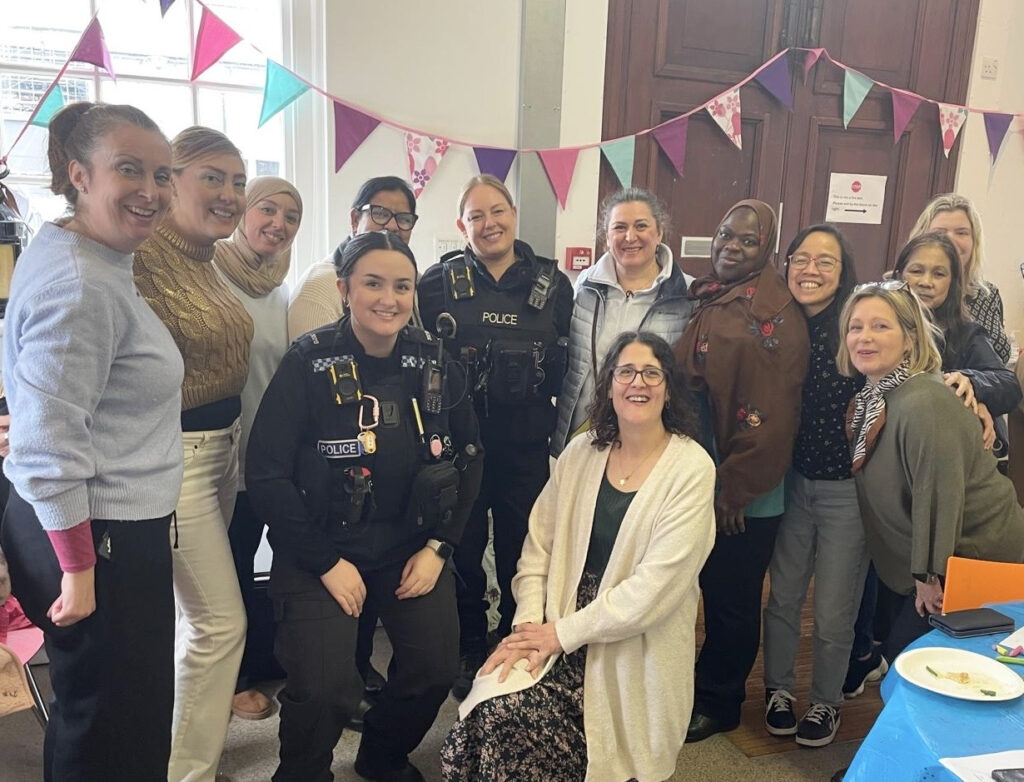
The idea for this research emerged during a community food event, Food with Friends, that WBI hosted back in May 2024. It included an information session on menopause. Conversations with participants revealed a clear need to explore this issue further.
Thank you NHS England South East for the opportunity to take on the research and share our findings at such an important event. Thanks also to the CPAR partners, the University of Reading, Scottish Community Development Centre and Institute of Voluntary Action Research.
We look forward to continuing conversations with professionals committed to strengthening Women’s Health Hubs across the region. We are currently adding the final touches to our report and getting ready to present it at the showcase event in September – watch this space!